Music has long been recognized as a universal language that transcends cultural barriers, touching the hearts and souls of individuals around the globe. For centuries, it has played an essential role in traditional rituals, community gatherings, and personal healing practices. As societies evolve, music continues to connect diverse cultures, fostering understanding and unity.
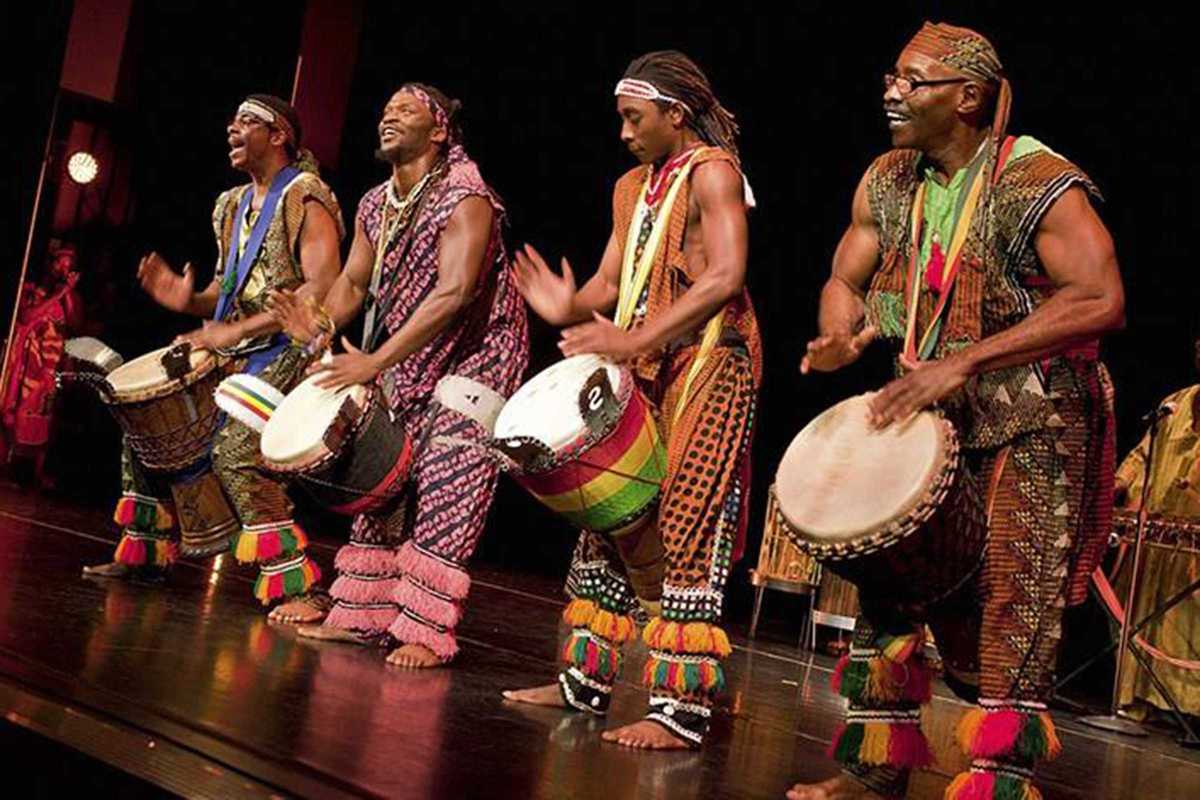
In many African cultures, music serves as a pivotal element of community life. It accompanies rites of passage, religious ceremonies, and social events. Traditional instruments like drums, mbira, and kora are not merely tools for entertainment but are interwoven with cultural identity, storytelling, and spiritual healing. The communal aspect of music-making fosters a sense of belonging and shared purpose. In recent years, the global music scene has further highlighted the unifying power of music. Artists around the world collaborate, crossing genres to create new sounds that resonate widely, transcending linguistic and cultural divides. Music festivals, such as the annual Afrochella and Tomorrowland, attract diverse crowds, celebrating the richness of varied musical traditions. Moreover, music therapy has gained recognition as an effective approach to healing. It leverages music's emotional impact to address a range of psychological and physical conditions. Through structured therapy sessions, patients experience reduced anxiety, improved mood, and enhanced cognitive functions, showcasing the profound impact music can have on personal wellbeing. Modern African musicians like Burna Boy, Angelique Kidjo, and Wizkid are not only celebrated for their art but for their roles as cultural ambassadors. They bring African sounds to the global stage, promoting cultural dialogues and appreciation. Their music, often infused with messages of social justice and unity, inspires movements that transcend individual societies. Additionally, digital platforms have revolutionized how we access and engage with music. They have nurtured a global musical community that has redefined how we share and experience music. As streaming services break down geographical barriers, they expose listeners to a wide array of musical genres and traditions, further highlighting music's role as a connector. In conclusion, music’s power to heal and unite is a testament to its integral role in human society. By bridging cultural gaps and facilitating dialogue, it fosters a more inclusive and harmonious world. As a tool for healing and cultural expression, music remains an invaluable resource for building connections across diverse global communities.